5 Tricks to Prevent Damping Off in Your Seedlings This Year

Updated: January 27, 2025 • 6 MIN READ
Damping off is nothing short of disheartening, but with a fresh start, the next round of seedlings can thrive. Gardening expert Katherine Rowe explores how to prevent the fungal disease from the get-go when seed-starting this year.
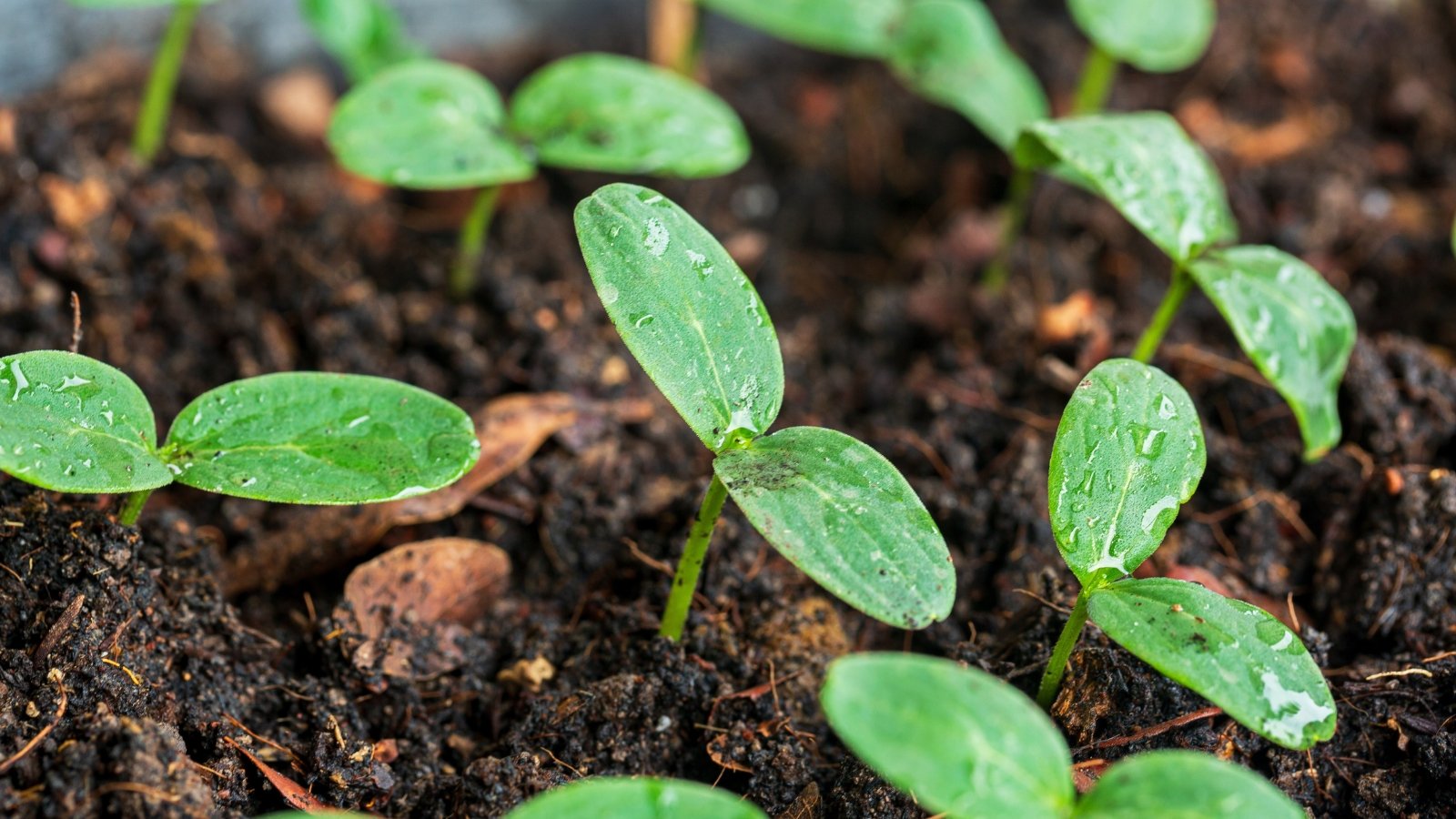
Damping off leads to swift decimation of entire flats of seedlings. One day, our little sprouts are emerging, and the next, they’re toppling.
What is Damping Off?
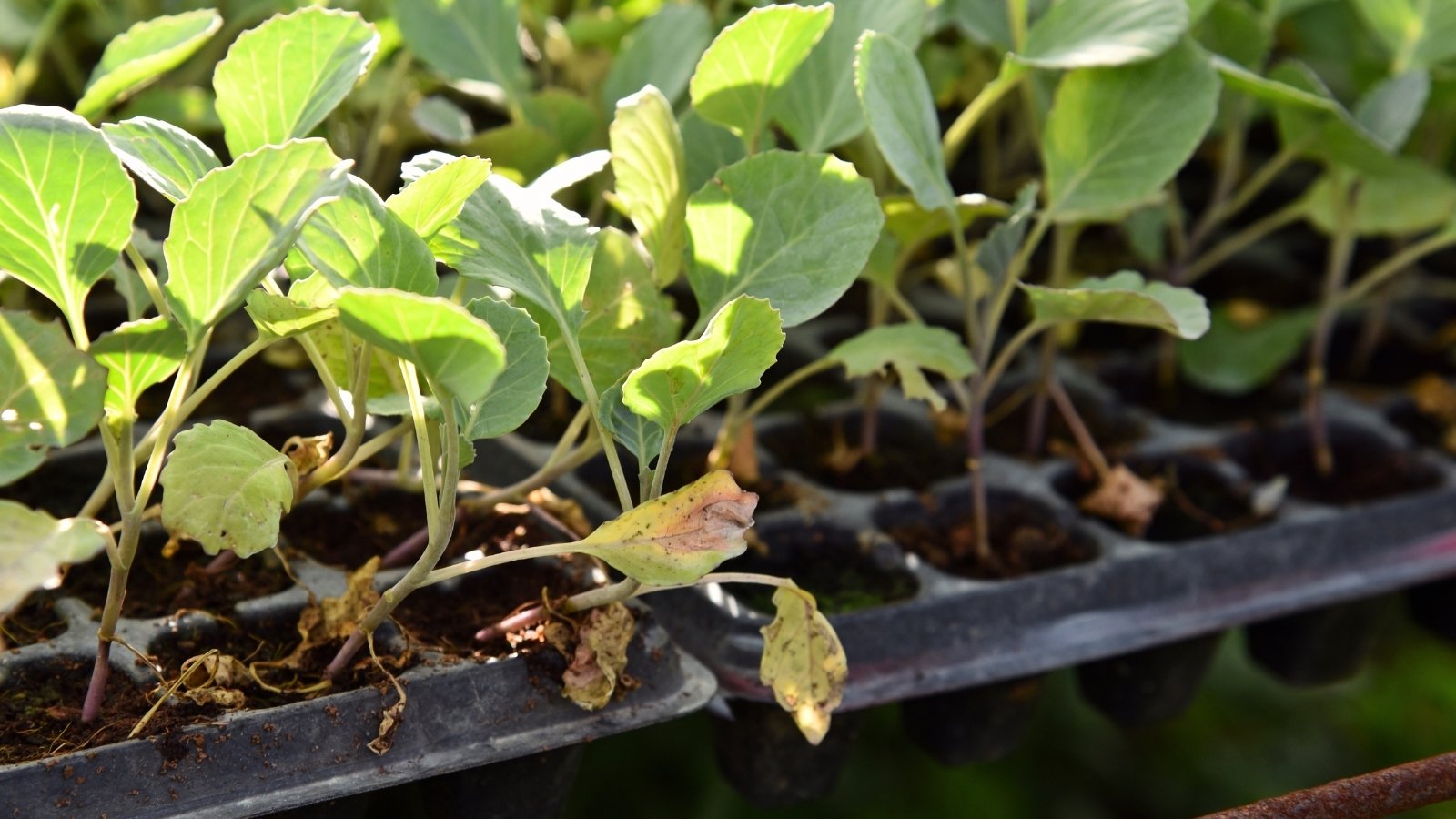
Damping off is a common fungal and mold problem for seedlings. It often results from overwatering and soggy conditions, but it can impact seedlings in well-draining situations, too.
Symptoms of Damping Off
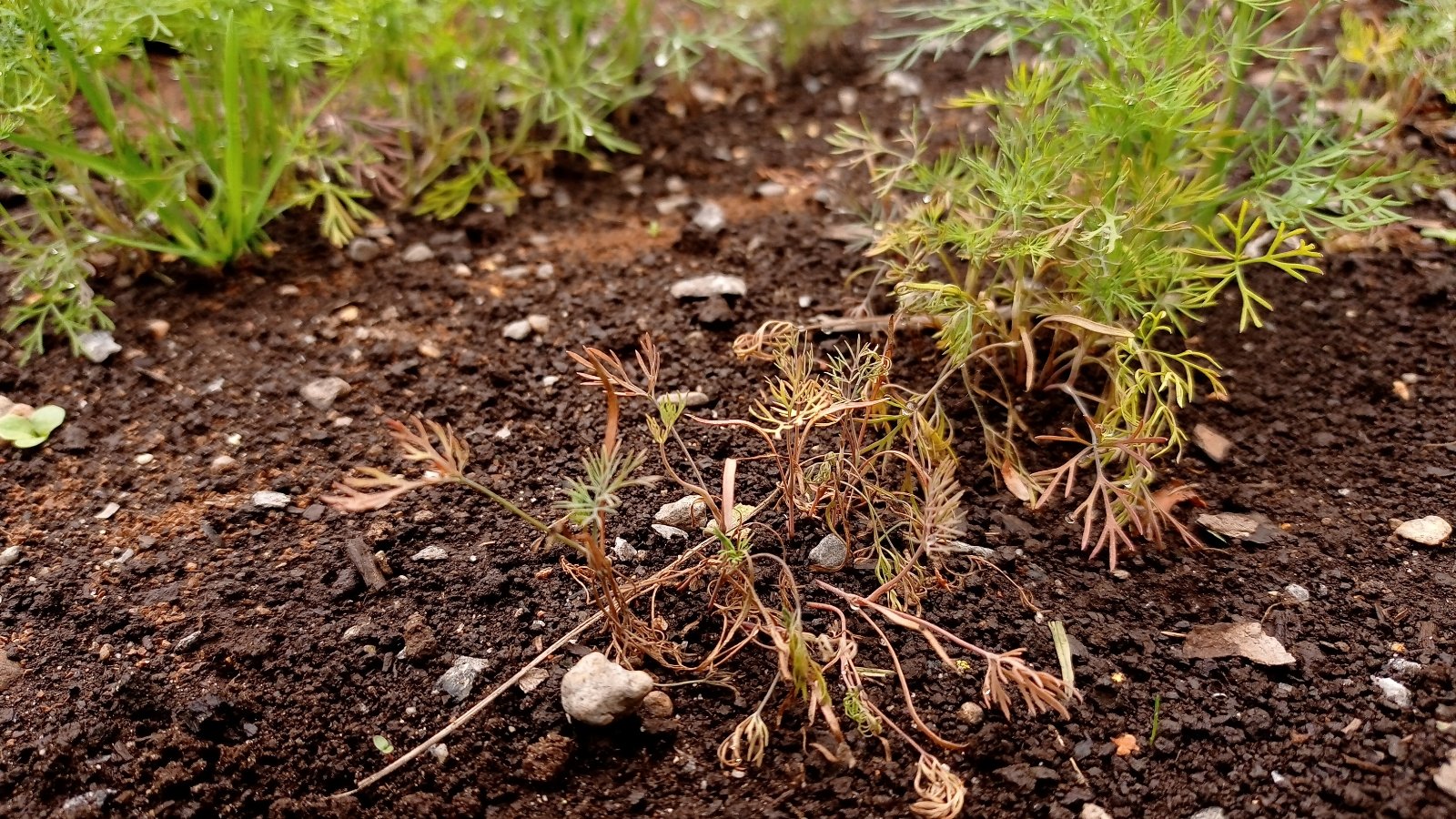
Damping off happens quickly in the germination process and in young seedlings. Common signs include brown stems at the soil level, weakening stems, and collapsed seedlings.
Sterilizing Growing Containers
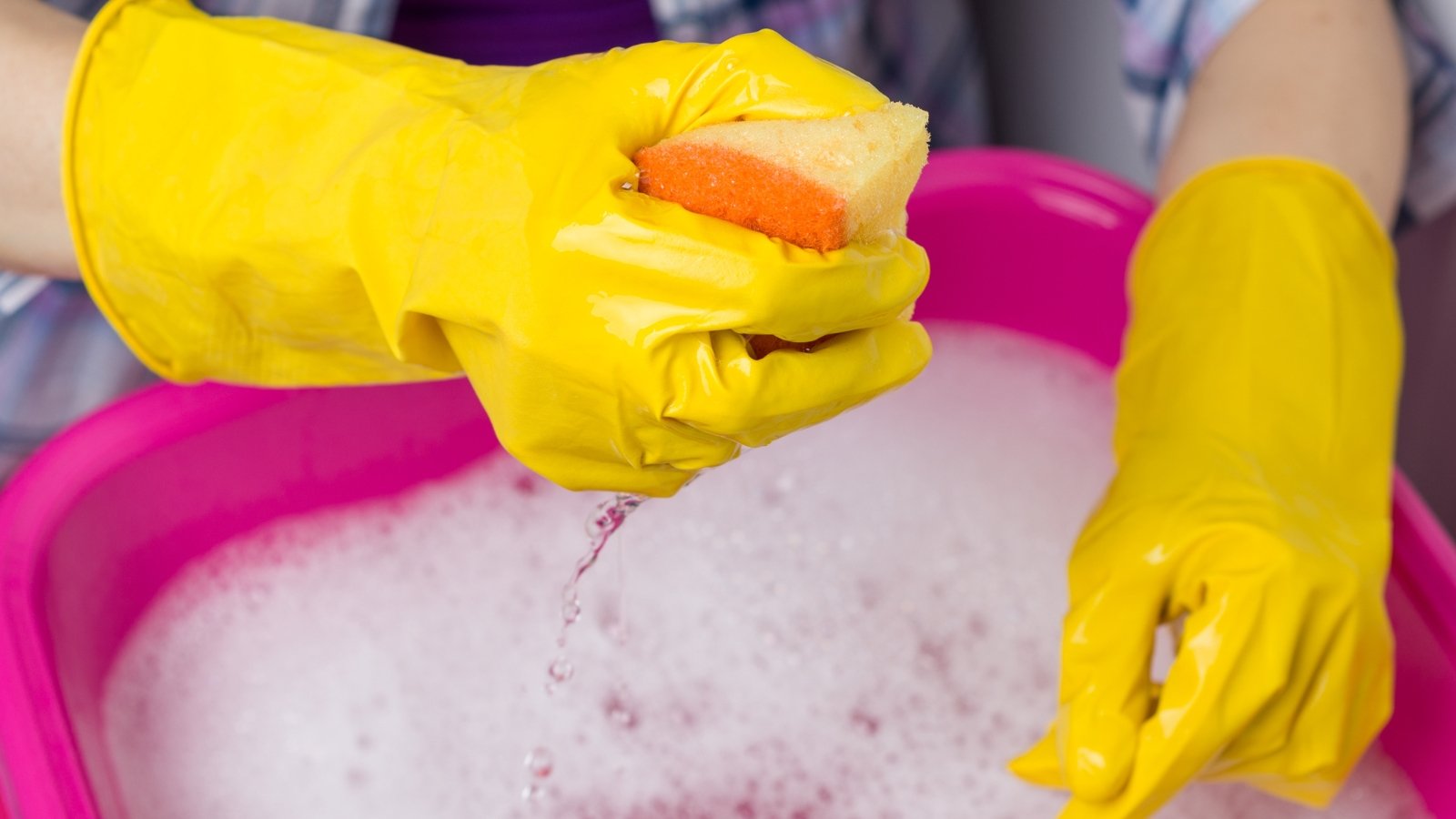
The first step to prevent damping off is to sterilize pots and other seed-growing supplies. Pots carried over between seasons can harbor remnants of disease-causing pathogens.
Bleach or Alcohol Solutions
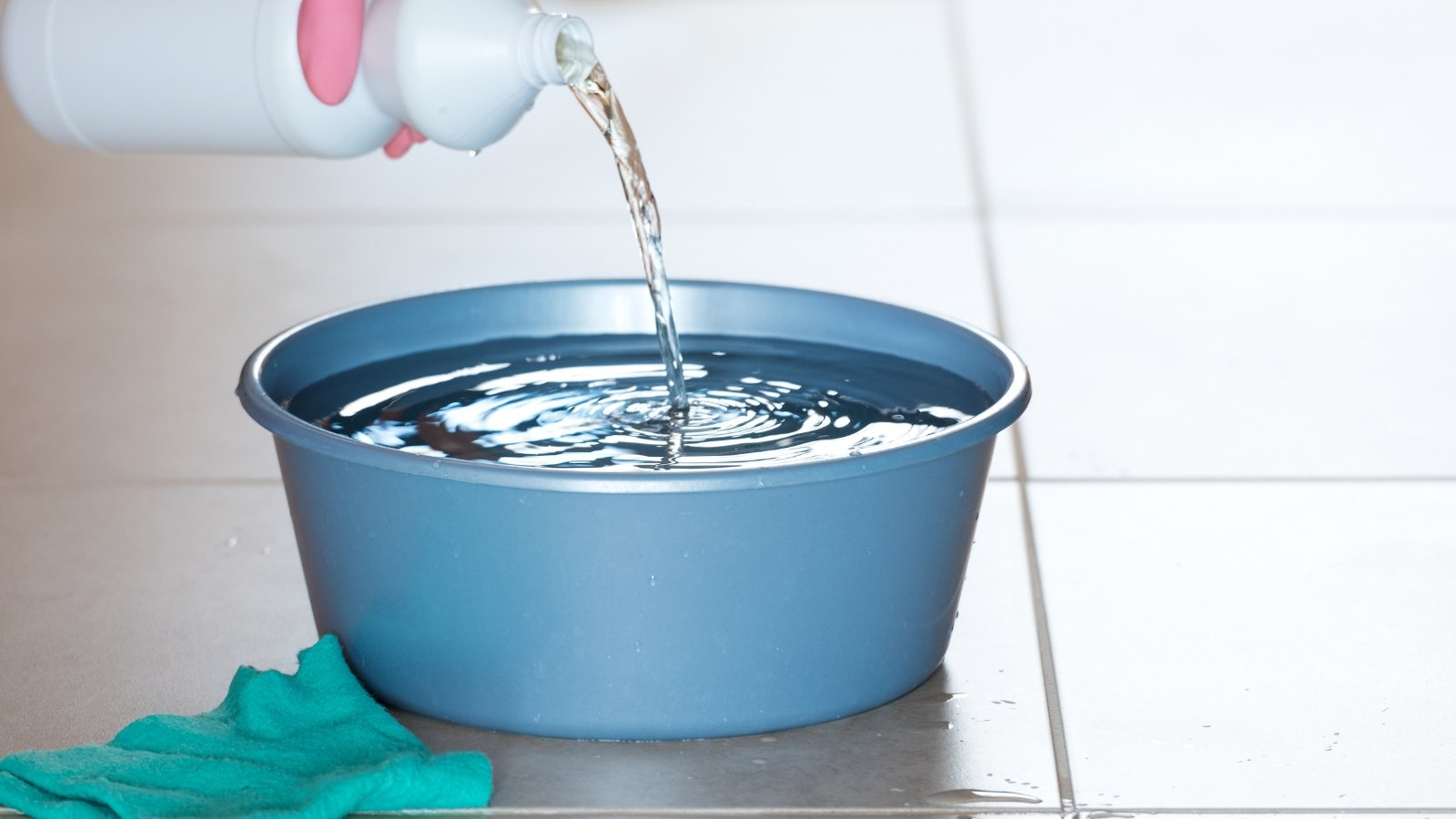
Two easy methods for sterilization include a bleach and water dilution (1:9) or an alcohol spray/wipe (70% isopropyl alcohol).
Start With a Fresh, Well-Draining Seed-Starting Mix
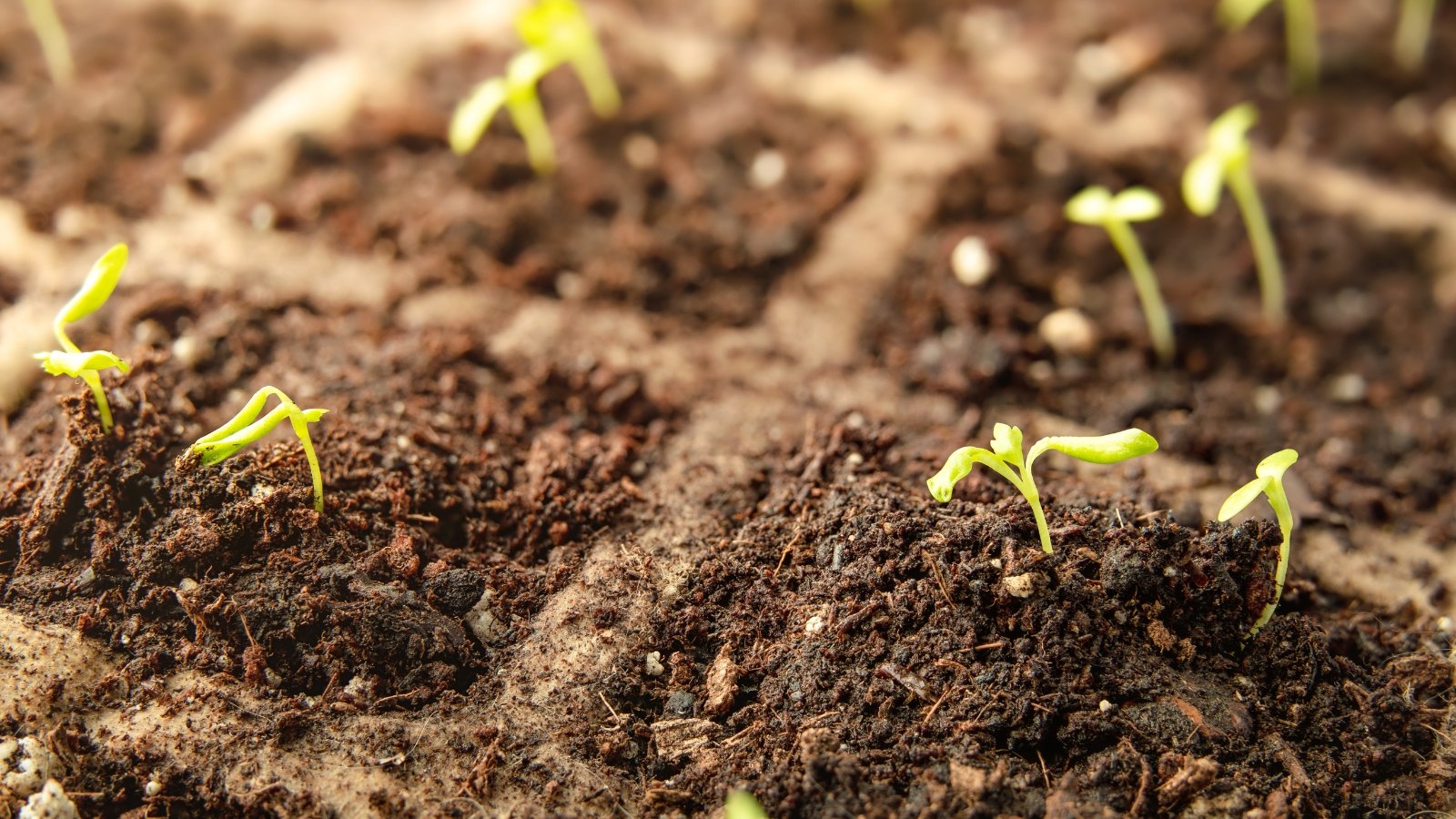
A new, sterile seed starting mix is the best foundation. Don’t reuse old potting media, as it may contain pathogens.
Drainage Test
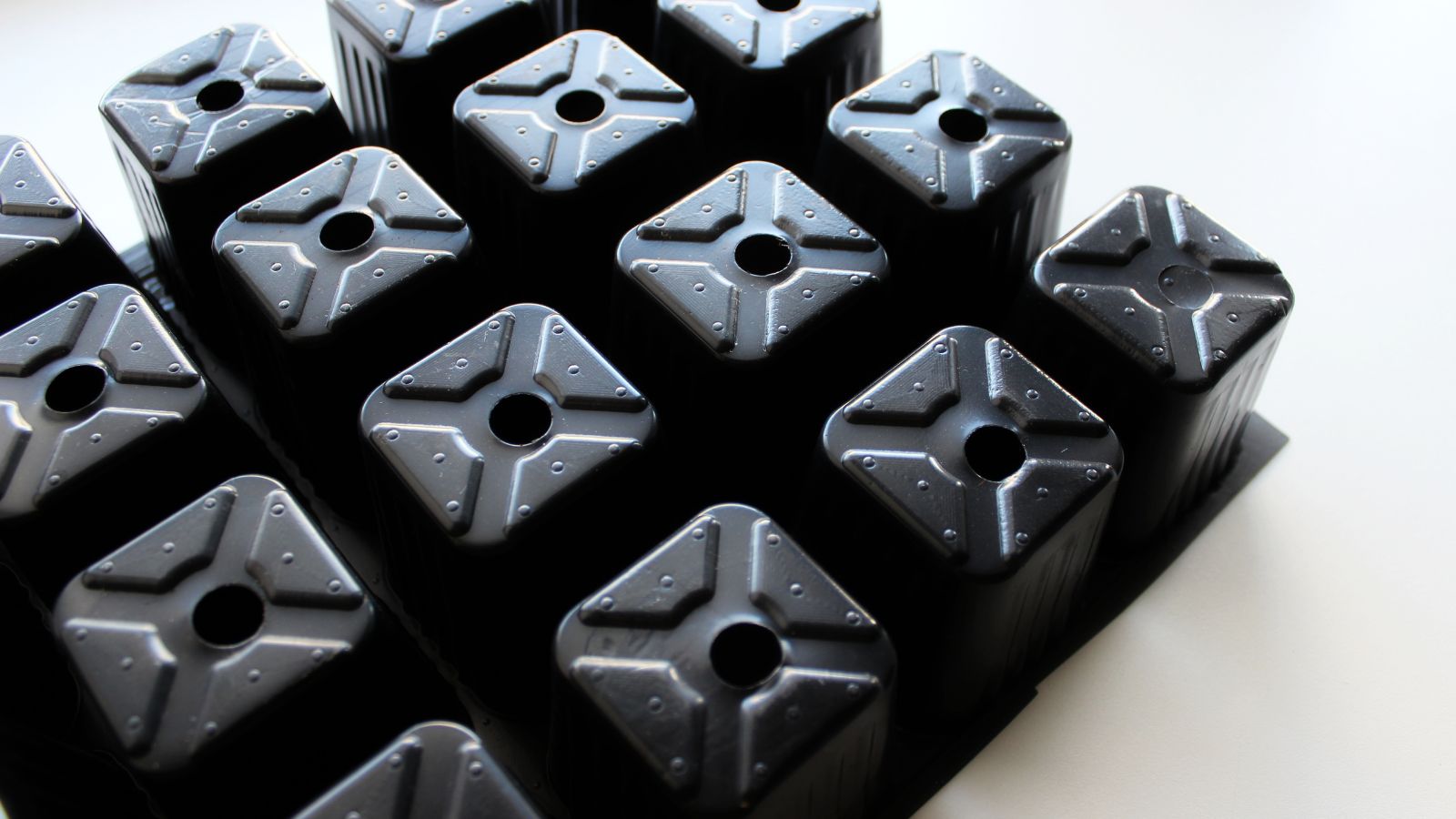
Good drainage is essential. Fill a few cells and water them in; once saturated, water should flow out of the holes rather than sitting on top.
Prevent Overwatering
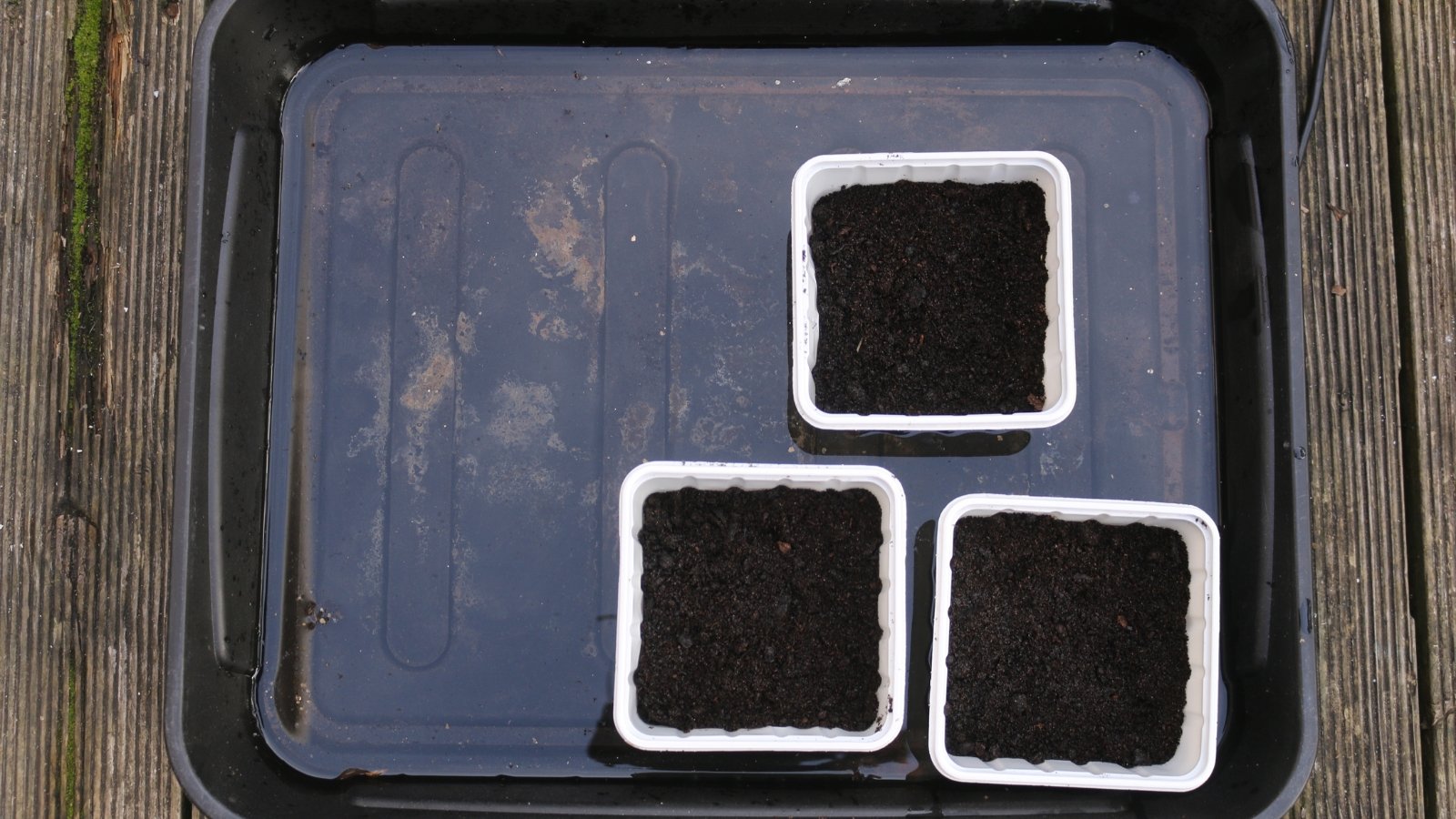
Giving too much water is the top cause of damping off. Water from below to limit damp conditions on leaves and use lukewarm water to avoid shocking roots.
Keep Seedlings Warm
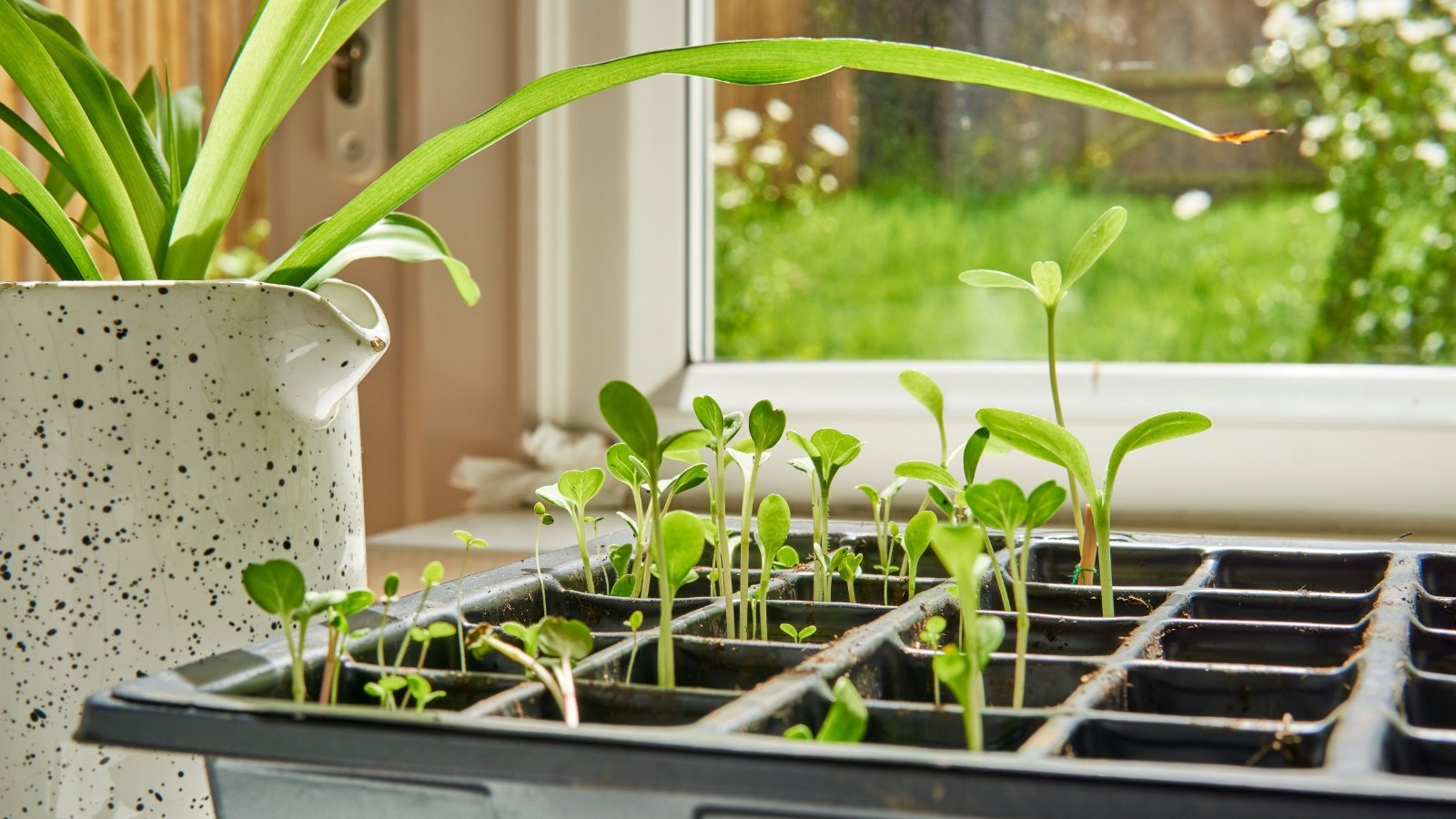
Cool temperatures foster pathogens. Aim for the ideal germination range (around 70°F/21°C) and use a heat mat if your space stays cool.
Don’t Crowd Seeds
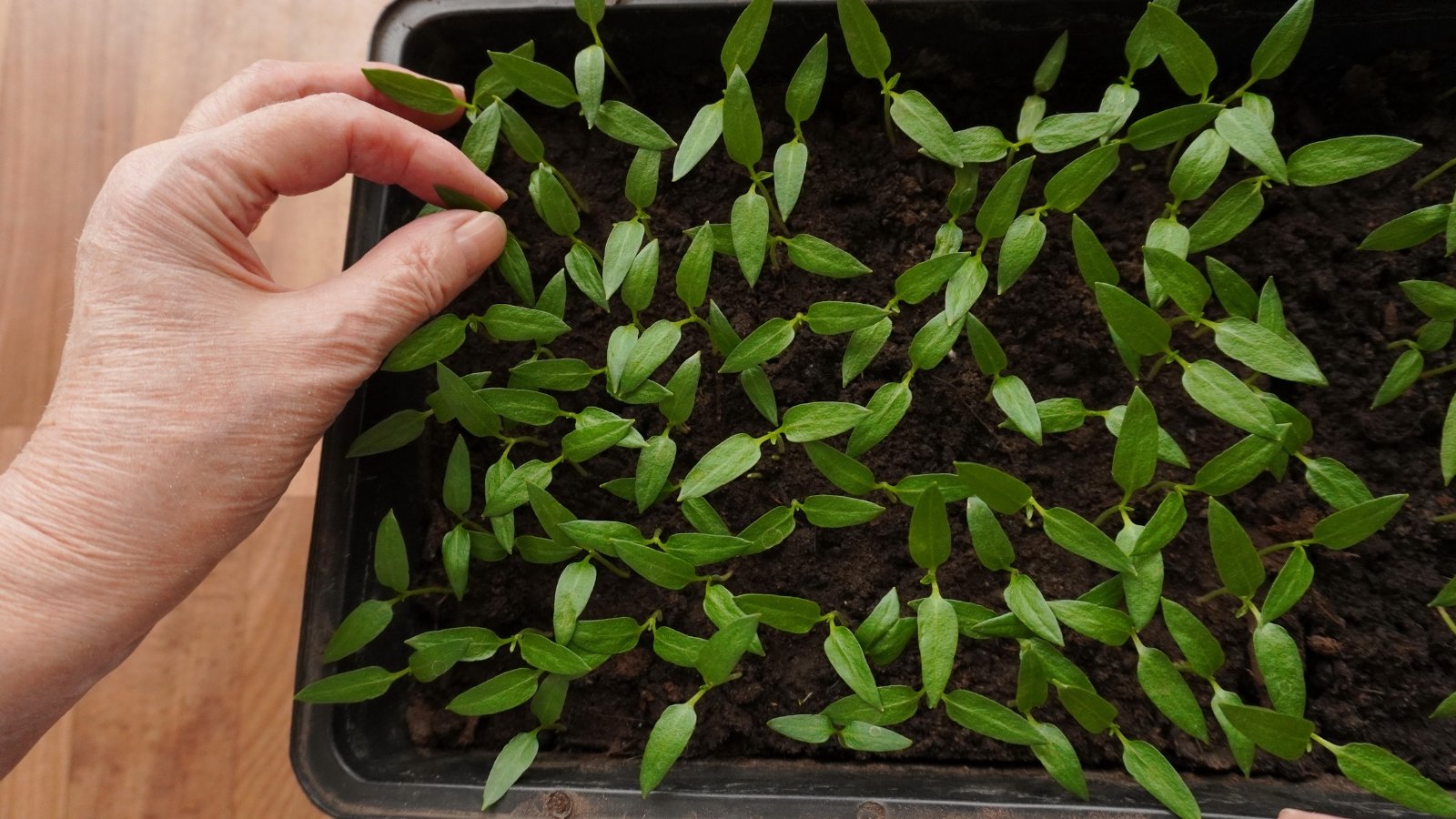
Cramped conditions create poor airflow, prime for fungal development. Thin seedlings quickly to reduce competition and increase circulation.